

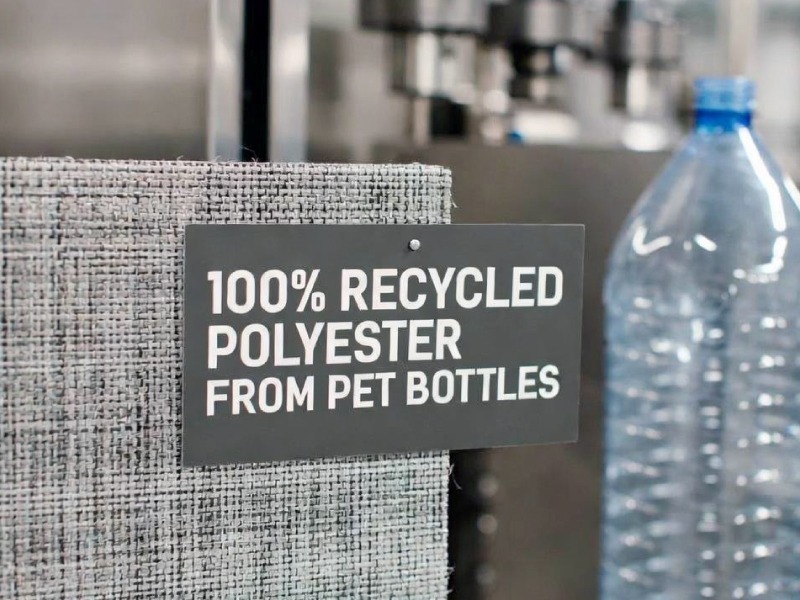
Key Recycled Materials in Woven Fabrics Recycled Polyester (rPET)
Made from:
Post-consumer plastic bottles (PET bottles), industrial waste, or single-polymer textiles.
Process:
Bottles are cleaned, shredded into flakes, melted into pellets, extruded into fibers, then spun and woven into fabric.
Advantages:
- Nearly identical performance to virgin polyester (durable, wrinkle-resistant, quick-drying, lightweight).
- Saves ~50–59% energy and reduces CO₂ emissions by ~32% vs. virgin polyester.
- Diverts plastic from landfills/oceans.
- Fully recyclable again in many cases.
Disadvantages:
Still synthetic (microplastic shedding possible), not biodegradable.
Common woven applications: Shirts, curtains, umbrellas, tote bags, tent flysheets (e.g., 210T rPET), backpacks, activewear.
Polyester
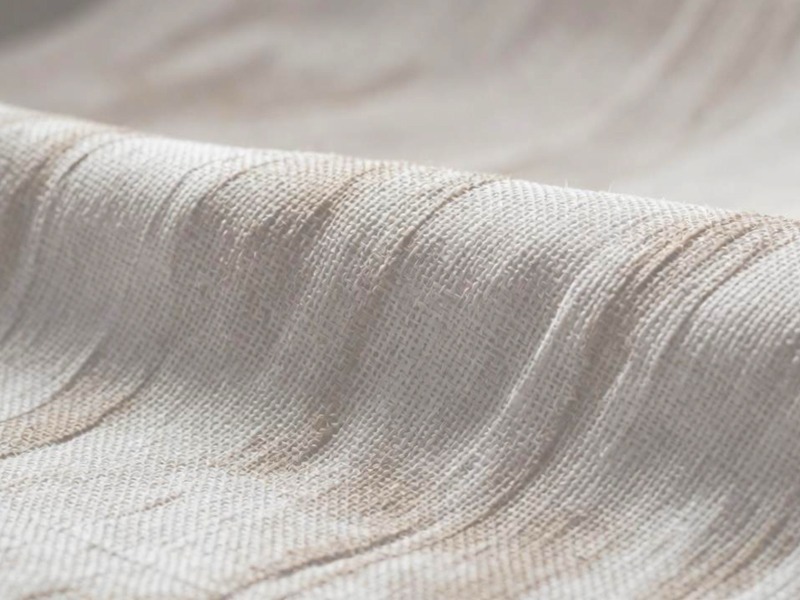
The most widely used synthetic fiber globally (around 50-60% of all fibers produced).
How it's made:
- Polymerized from petroleum chemicals (terephthalic acid + ethylene glycol).
Key Properties:
- High strength and excellent durability
- Very good wrinkle resistance and shape retention
- Quick-drying and low moisture absorption (hydrophobic)
- Good abrasion resistance (second only to nylon in many cases)
- Excellent resistance to shrinking, stretching, mildew, and many chemicals
Advantages:
- Extremely versatile and inexpensive
- Wrinkle-free / low-maintenance (wash-and-wear)
- Holds dye well → vibrant, long-lasting colors
- Blends beautifully with cotton, wool, etc.
Disadvantages:
- Poor breathability → feels hot/stuffy in warm weather
- Prone to static electricity and pilling
- Sheds microplastics during washing
- Not biodegradable; high environmental impact from production and microfibers
Common Uses: Everyday clothing (T-shirts, dresses, jackets), activewear, upholstery, curtains, bedding, outdoor gear, and recycled polyester (rPET) in sustainable lines.
Acrylic
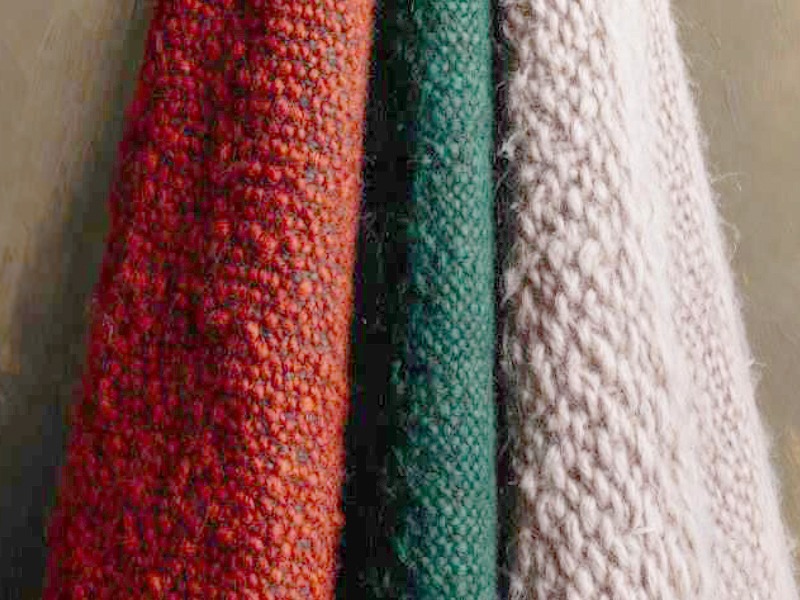
A wool-like synthetic fiber made from polyacrylonitrile.
How it's made:
- From acrylonitrile (petroleum/coal byproduct). Often called “synthetic wool.”
Key Properties:
- Soft, warm, and lightweight
- Excellent thermal insulation (mimics wool)
- Good UV resistance and colorfastness (doesn't fade much in sunlight)
- Moderate strength and abrasion resistance
Advantages:
- Wool-like hand-feel at a lower cost
- Moth-resistant and mildew-resistant
- Retains shape well when blended
- Dries relatively quickly
Disadvantages:
- Poor abrasion resistance (pills and wears out faster than wool)
- Low moisture absorption → can feel clammy
- Can be prone to static
- Higher environmental footprint than polyester/nylon in production
Common Uses: Sweaters, knitwear, blankets, scarves, faux fur, outdoor clothing (especially where wool-like warmth is needed without animal fibers), and upholstery.
Polyamide / Nylon
How it's made:
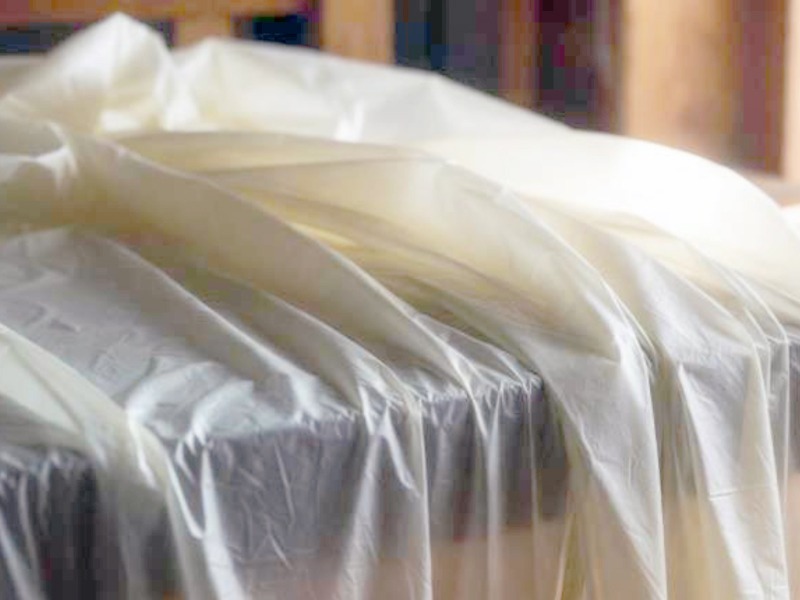
- Nylon 6 or Nylon 6,6 from petroleum (caprolactam or hexamethylenediamine + adipic acid).
- One of the strongest synthetic fibers; "nylon" is the common trade name for various polyamides.
Key Properties:
- Exceptionally high tensile strength and abrasion resistance (best among common fibers)
- Excellent elasticity and elastic recovery
- Lightweight yet very durable
- Good resistance to chemicals and oils
Advantages:
- Extremely tough and long-lasting
- Quick-drying
- Smooth, silky feel in finer versions
- Performs well in high-wear applications
Disadvantages:
- Poor UV resistance (yellows/degrades in sunlight unless treated)
- Absorbs some moisture → can feel clammy
- Prone to pilling in some weaves
- Static electricity issues
Common Uses: Activewear, leggings, hosiery, swimwear, parachutes, ropes, tents, backpack straps, lingerie, and high-performance outdoor clothing.
PU Polyurethane (PU / Elastane / Spandex / Lycra)
- used as fiber or coating
How it's made: Segmented polyurethane polymer. Two main fabric forms:
- Elastane / Spandex / Lycra (fiber): 85%+ polyurethane segments
- PU coating (on base fabric): thin waterproof layer
- Usually appears as elastane or spandex in clothing (a segmented polyurethane).
Key Properties:
- Exceptional stretch and elastic recovery (can stretch 5–8× original length)
- Lightweight
- Good durability when blended
Advantages:
- Provides excellent stretch and shape recovery
- Adds comfort and fit to garments
- Blends well with other fibers (usually 2-20% content)
Disadvantages:
- Degrades with chlorine, heat, and prolonged UV exposure
- Can lose elasticity over time (especially if overheated in drying)
- Not used as 100% fabric (always blended)
Common Uses: Stretch jeans, leggings, sportswear, swimwear, underwear, socks, shapewear, medical compression garments, and performance fabrics.
Note: In coated fabrics, polyurethane (PU coating) is also used for waterproof/breathable layers (softer and more flexible than PVC coatings).
START SOURCING TODAY!
and Chinese speaking product sourcing specialists.
| Contact Us |